For many people, financial life rests on a single foundation: one job, one employer, one paycheck. As long as that foundation holds, everything feels stable. But stability that depends on one source is more fragile than it appears.
Jobs change. Industries shift. Companies restructure. Health can interrupt the ability to work. When all income flows from one place, any disruption to that place affects everything else. Building multiple sources of income is one of the most practical ways to create financial resilience.
The hidden risk of a single income
A single income can feel secure because it is familiar and predictable. The risk is not always visible from day to day. It becomes visible when something changes unexpectedly — a layoff, a reduction in hours, a lost client or a slowdown in business.
When that happens, a household with one income source has few options. Savings may cover a period of time, but without other sources of cash flow, every decision becomes more urgent and more stressful. People in that position sometimes accept opportunities they would otherwise decline simply because they need income immediately.
What diversification really means
Income diversification means creating more than one stream of money so that no single source carries the entire load. It does not necessarily mean working three jobs. The most durable additional income streams are often connected to ownership rather than more hours.
Common examples include:
- A business or side business that operates alongside primary employment and can grow over time.
- Rental income from residential or commercial property.
- Investment income such as dividends or interest.
- Ownership stakes in businesses run by others.
- Intellectual property such as books, courses or licensed work.
- Professional services such as consulting or advisory work based on existing expertise.
Each option has different requirements for capital, time and skill. The goal is not to pursue all of them, but to build a mix that fits your circumstances.
Income from work versus income from assets
It helps to distinguish between income that still requires your time and income generated by assets you own. A second job or freelance work adds income, but it also adds hours. There is a natural limit to how much time any person can sell.
Asset-based income works differently. A well-managed rental property, a business with capable staff or an investment portfolio can produce income without a direct exchange of hours. Over time, the most resilient financial structures tend to include a growing share of income from assets rather than from labor alone.
The objective is not simply more income. It is income that does not all depend on the same thing.
Building additional income responsibly
Adding income sources should strengthen your position, not weaken it. A few principles help:
- Protect your primary income first. New ventures should not put your main source of earnings at risk.
- Start with what you know. Skills, industries and relationships you already understand reduce the learning curve.
- Use earned income to acquire assets. Direct part of your current earnings toward building ownership.
- Avoid excessive debt. Borrowing to create income can make sense, but only when the numbers are realistic and the risk is manageable.
- Be patient. Most income streams take time to develop. Early results may be small.
An illustrative example
Imagine a hypothetical professional who earns a stable salary. Over several years, she saves consistently and purchases a modest rental property. Later, she uses her expertise to offer occasional consulting work. Eventually, she invests in a small business alongside a partner.
None of these steps happened quickly, and none replaced her primary income on its own. But together they created a structure in which a disruption to her job would no longer threaten her entire financial life. That is what diversification provides: options.
Resilience creates freedom
Multiple income sources are not only about protection. They also create freedom. When you are not entirely dependent on one paycheck, you can make decisions based on long-term goals rather than short-term pressure. You can negotiate from a stronger position, pursue better opportunities and take calculated risks.
Financial resilience is built gradually, one decision at a time. The earlier you begin adding sources of income — especially sources rooted in ownership — the more time those sources have to grow and the stronger your foundation becomes. I explore these ideas further in Own or Be Owned.
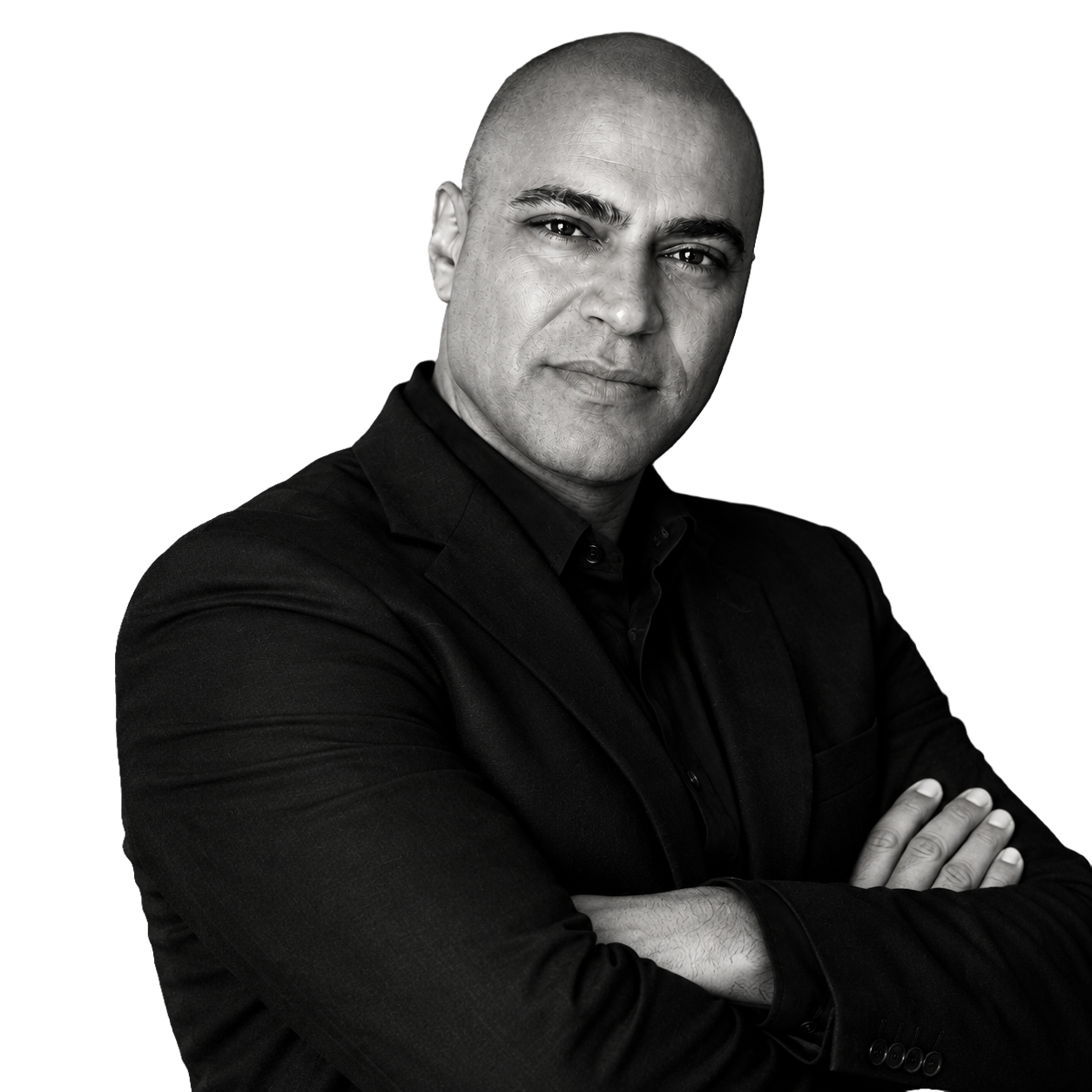
Kevin Najafi, MBAMiami-based entrepreneur, business principal and author of Every Dollar Is a Soldier™ and Own or Be Owned™. Read his biography.
This article is for general educational purposes and is not financial, legal or tax advice. Consult qualified professionals before making investment, acquisition or sale decisions.