Most people are taught to think about money in terms of income. How much do you make? How can you make more? A raise, a promotion or a better-paying job is treated as the definition of financial progress.
Income matters. It pays the bills, funds your savings and gives you room to make decisions. But income has a limitation that is easy to overlook: in most cases, it stops when you stop. If your earnings depend entirely on the hours you work, your financial life is tied to your time, your health and your energy — all of which are finite.
Ownership works differently. When you own a productive asset, that asset can create value whether or not you are personally present. This is the central distinction I return to again and again, and it is the reason I believe ownership matters more than income over the long run.
Earned income versus owned income
Earned income is what you receive in exchange for your work: a salary, wages, commissions or fees. It is direct and dependable for as long as the work continues.
Owned income comes from something you hold: a business, a share of a business, a rental property or another asset that generates cash flow. The asset does the producing. Your role shifts from doing all of the work to owning, directing and improving the thing that does it.
This does not mean ownership is passive or effortless. Owning a business or property involves responsibility, risk and decision-making. But the relationship between your time and your results changes. A well-run business can serve customers while the owner is planning, resting or working on the next opportunity.
Why a higher salary is not the same as wealth
It is common to see people with strong incomes who still feel financially fragile. As income grows, lifestyle often grows with it. A larger home, a newer car and higher monthly commitments can absorb every increase. The paycheck gets bigger, but the dependence on that paycheck does not get smaller.
Wealth is better measured by what you own and what those holdings can produce. A person who earns less but steadily directs part of that income into productive assets may, over time, be in a stronger position than someone who earns more and owns little.
Income is what you earn. Ownership is what you keep, build and pass on.
Forms of ownership
Ownership can take many forms, and each carries its own considerations:
- Business ownership. Starting, buying or holding a stake in an operating company. This can offer the greatest control and potential, along with the greatest operational responsibility.
- Real estate. Income-producing property can generate rental income and may build equity over time, but it requires capital, management and an understanding of the local market.
- Investments in other companies. Owning shares gives you a claim on the results of businesses run by others, with less direct control.
- Intellectual property and other assets. Books, systems, brands and other creations can produce value long after the initial work is complete.
None of these is automatically right for everyone. What matters is the direction: moving, step by step, from relying only on what you can earn to also owning things that can produce.
The role of earned income in building ownership
This is not an argument against working hard or earning well. For most people, earned income is the starting point. It is the capital that funds the first investment, the down payment or the first acquisition.
The key question is what happens to that income after it arrives. If every dollar is consumed, nothing is built. If a disciplined portion is directed toward assets, income becomes the engine of ownership rather than a substitute for it. That idea — treating every dollar as something with a job to do — is at the heart of my book Every Dollar Is a Soldier.
Long-term planning and patience
Ownership rewards patience. Businesses take time to improve. Properties take time to appreciate and stabilize. Investments take time to compound. People who expect immediate results often abandon good strategies too early or take on excessive risk chasing quick gains.
A practical approach is to think in years and decades rather than months. Ask what you want to own five, ten and twenty years from now, and what steps you can take this year to move in that direction. Learning comes first: understanding financial statements, valuation, lease terms and the basic economics of the assets you are considering.
A note on risk
Ownership is not without risk. Businesses can struggle. Markets can change. Properties can sit vacant. Responsible ownership means doing careful research, avoiding unnecessary debt, seeking qualified professional advice and never committing capital you cannot afford to lose. The goal is not to gamble on ownership; it is to build it deliberately.
The mindset shift
Ultimately, the move from income to ownership begins as a change in thinking. Instead of asking only, "How can I earn more?", start asking, "What can I own that will create value over time?" That question changes how you spend, how you save, how you evaluate opportunities and how you see your own future.
Income is important. Ownership is transformative. The people who build lasting financial independence tend to understand the difference — and act on it consistently.
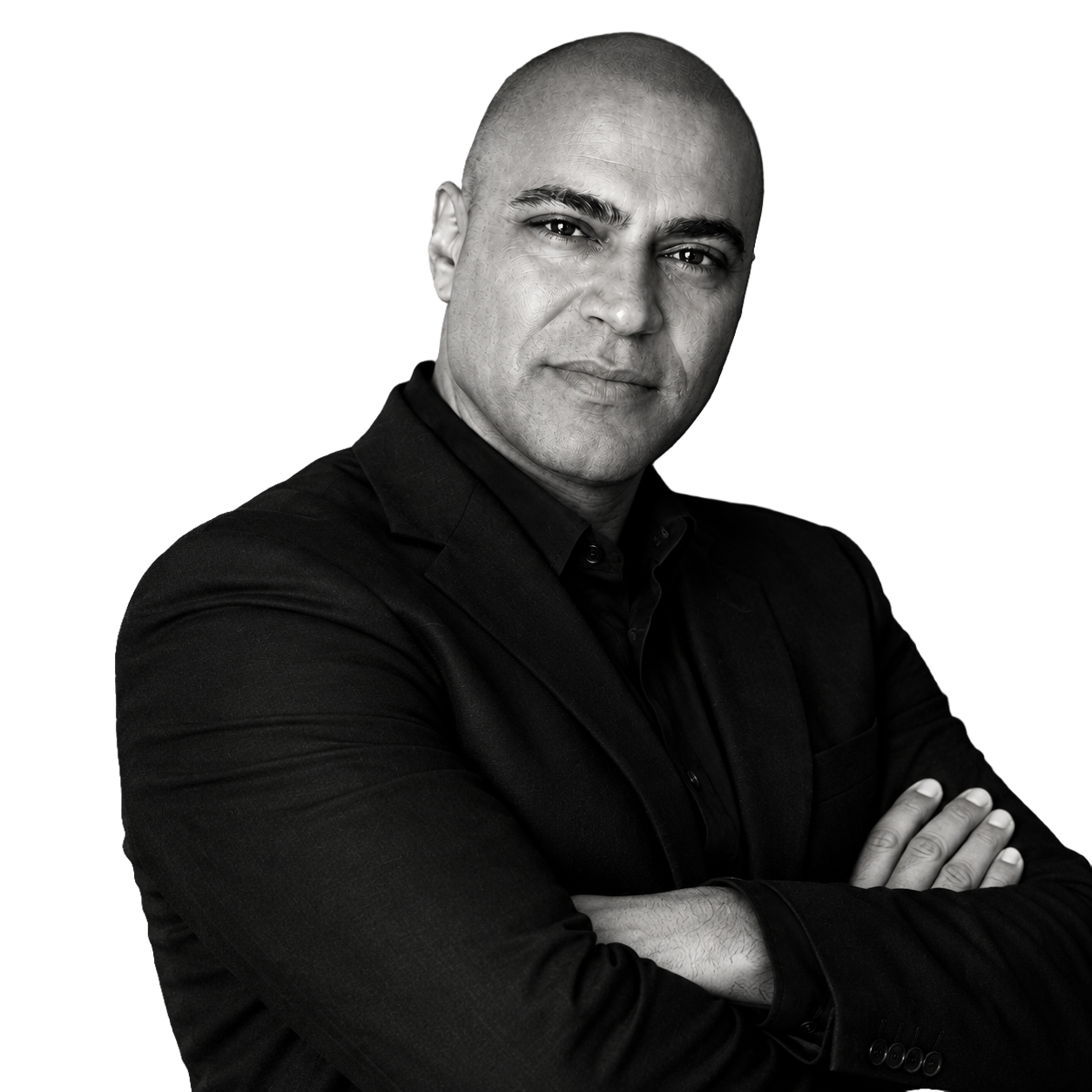
Kevin Najafi, MBAMiami-based entrepreneur, business principal and author of Every Dollar Is a Soldier™ and Own or Be Owned™. Read his biography.
This article is for general educational purposes and is not financial, legal or tax advice. Consult qualified professionals before making investment, acquisition or sale decisions.